

Cybersecurity Essentials: Phishing

Image of an ATM Machine at MGM Grand Las Vegas following a cyberattack in 2023, photo by Sohum J Shah
What is Phishing?
Phishing is a type of cyberattack where scammers deceive individuals into sharing sensitive information, such as passwords, credit card numbers, or personal details, by pretending to be a trustworthy entity. These attacks often involve deceptive emails, fake websites, or messages designed to manipulate victims into taking harmful actions.
Over the years, phishing has become increasingly sophisticated. Early attacks relied on generic, poorly written emails, but modern tactics are far more convincing. Cyber criminals now use advanced techniques like AI-generated emails, personalized targeting (spear phishing), and deepfake technology to enhance their scams. Emerging technologies, such as Internet of Things (IoT) devices and cryptocurrency platforms, have also created new vulnerabilities for attackers to exploit. As a result, phishing remains a persistent and growing threat in the digital age.

Phishing in 2026: Evolving Threats and Challenges
Phishing continues to be a top cybersecurity threat in 2026 due to its growing sophistication and adaptability. Attackers now use advanced technologies like AI and machine learning to create highly convincing scams, including AI-generated emails and deepfake videos. These methods make it increasingly difficult for individuals and organizations to differentiate between legitimate and fraudulent communications.
Personalized attacks, such as spear phishing, have further amplified the threat. Cyber criminals leverage publicly available data and social engineering to target specific individuals or organizations, increasing their chances of success. Additionally, the widespread adoption of IoT devices and cryptocurrency platforms has introduced new vulnerabilities for attackers to exploit.
The shift to remote and hybrid work environments has also expanded the attack surface. Employees working outside secure office networks are more susceptible to phishing attempts, especially when using personal devices or unsecured connections. Combined with potential financial losses, data breaches, and reputational damage, phishing remains a persistent and evolving challenge.
Why Phishing is a Bigger Concern in 2026
Phishing has become a more significant threat in 2026 due to the exploitation of emerging technologies and the changing dynamics of work environments.
Exploitation of Emerging Technologies
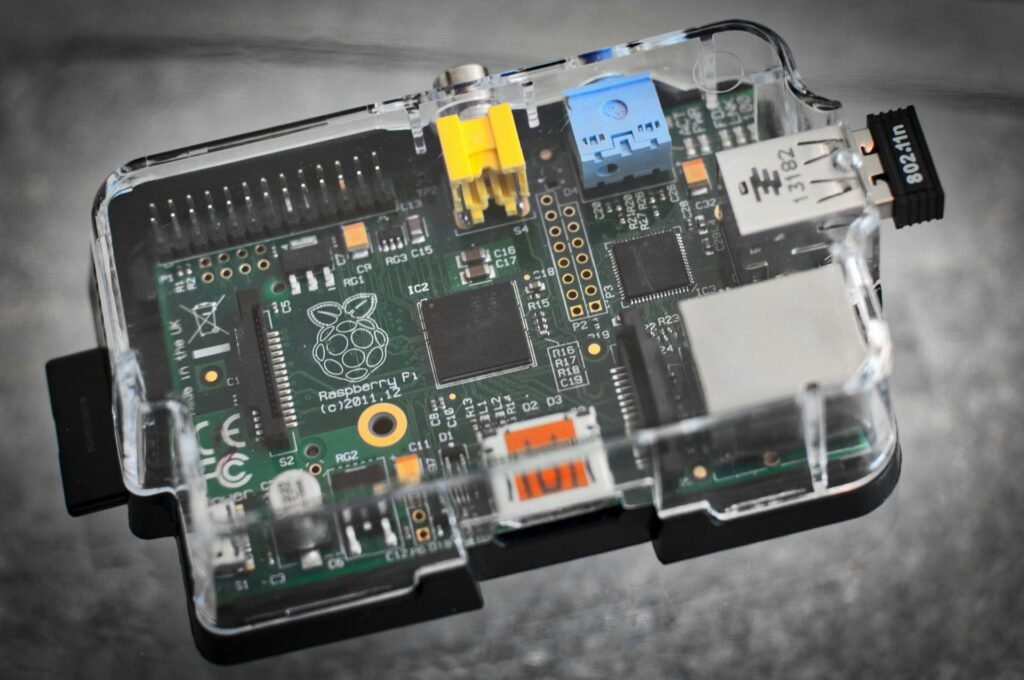
The rapid adoption of IoT devices and cryptocurrency platforms has opened new doors for cyber criminals. IoT devices often lack robust security measures, making them easy targets for attackers to infiltrate networks or gather sensitive data. Similarly, cryptocurrency platforms, with their complex systems and decentralized nature, present opportunities for phishing scams aimed at stealing digital assets or login credentials.
Impact of Remote Work and Hybrid Environments
The shift to remote and hybrid work models has expanded the attack surface for phishing attempts. Employees working from home often rely on personal devices and unsecured networks, which are more vulnerable to cyberattacks. Additionally, the lack of in-person IT support and increased reliance on digital communication tools make it easier for attackers to exploit human error or unverified links. This evolving work landscape highlights the need for stronger cybersecurity measures and awareness.

The Consequences of Falling for Phishing
Phishing attacks can have devastating consequences for individuals and organizations, including:
- Financial Losses: Victims may lose money directly through fraudulent transactions or indirectly through recovery costs. Businesses often face significant expenses related to incident response and operational disruptions.
- Data Breaches and Identity Theft: Phishing attacks can expose sensitive personal or corporate data, leading to identity theft or unauthorized access to critical systems.
- Reputational Damage: Organizations that fail to protect their customers or employees from phishing attacks risk losing trust and credibility, which can impact their brand image and customer loyalty.
- Legal and Compliance Risks: Companies may face fines, lawsuits, or regulatory penalties if they fail to comply with data protection laws or industry standards following a phishing-related breach.
How to Identify Phishing Attempts
Recognizing phishing attempts is a critical step in protecting yourself and your organization. Here’s what to watch for:
Red Flags to Watch For
- Suspicious Links: Hover over links to check the URL. If it looks unfamiliar or slightly altered (e.g., “amaz0n.com” instead of “amazon.com”), it’s likely fraudulent.
- Urgent Requests: Be cautious of messages that create a sense of urgency, such as threats to close your account or demands for immediate action.
- Grammatical Errors: Many phishing messages contain spelling mistakes, awkward phrasing, or inconsistent formatting, which can signal a scam.
- Unfamiliar Senders: Emails or messages from unknown or unexpected sources should raise suspicion, especially if they request sensitive information.
Tips for Verifying Sender Authenticity
- Check the Email Address: Ensure the sender’s email domain matches the official domain of the organization (e.g., “@company.com”).
- Contact the Source Directly: If unsure, reach out to the organization using official contact information rather than replying to the suspicious message.
- Look for Security Indicators: Verify the presence of security features like HTTPS in website URLs or official logos and signatures in emails.
- Be Wary of Attachments: Avoid opening unexpected attachments, especially if they come from unknown senders or seem irrelevant.
Importance of Cybersecurity Awareness and Training
- Education is Key: Regular training helps individuals recognize phishing attempts and respond appropriately.
- Simulated Phishing Tests: Organizations can use these to assess and improve employee readiness.
- Staying Updated: Cyber criminals evolve their tactics, so staying informed about the latest phishing trends is essential.
- Promoting a Security Culture: Encourage employees and individuals to report suspicious activity and prioritize cybersecurity in daily practices.
Preventing Phishing Attacks
Preventing phishing attacks requires a combination of individual vigilance, organizational strategies, and advanced technologies.
Best Practices for Individuals
- Enable Multi-Factor Authentication (MFA): Add an extra layer of security by requiring a second form of verification, such as a code sent to your phone or a biometric scan.
- Keep Software Updated: Regularly update operating systems, browsers, and antivirus software to patch vulnerabilities that attackers might exploit.
- Use Strong, Unique Passwords: Avoid reusing passwords across accounts and consider using a password manager to create and store complex passwords.
- Be Cautious with Links and Attachments: Verify links and avoid clicking on suspicious ones. Only open attachments from trusted sources.
- Monitor Accounts Regularly: Check financial and online accounts for unauthorized activity to catch potential breaches early.
Organizational Strategies
- Employee Training: Conduct regular cybersecurity awareness programs to educate staff on recognizing and avoiding phishing attempts.
- Phishing Simulations: Test employees’ readiness by running simulated phishing campaigns and providing feedback on their responses.
- Robust Email Filters: Implement advanced email filtering systems to block phishing emails before they reach employees’ inboxes.
- Incident Response Plans: Develop and maintain a clear protocol for responding to phishing incidents to minimize damage and recover quickly.
- Access Controls: Limit access to sensitive systems and data based on employees’ roles to reduce exposure in case of a breach.
Role of Advanced Technologies
- AI-Powered Detection Tools: Use AI and machine learning to identify and block phishing attempts in real-time by analyzing email patterns and behaviors.
- Behavioral Analytics: Deploy tools that monitor user behavior to detect anomalies that may indicate phishing attacks.
- Threat Intelligence Platforms: Leverage platforms that aggregate and analyze global threat data to stay ahead of emerging phishing tactics.
- Secure Browsing Tools: Utilize browser extensions or software that warn users of malicious websites or phishing attempts.
Concluding Thoughts on Phishing
Phishing remains a critical issue in 2026 due to its increasing sophistication and the exploitation of emerging technologies. Cyber criminals are leveraging AI, deepfake technology, and social engineering to craft highly convincing scams, while the rise of IoT devices, cryptocurrency platforms, and remote work environments has expanded the attack surface. The potential consequences—financial losses, data breaches, reputational damage, and legal risks—underscore the urgency of addressing this persistent threat.
Stay vigilant by recognizing red flags, verifying sender authenticity, and staying informed about evolving phishing tactics. Educate yourself and others through regular cybersecurity training and awareness programs. Implement protective measures, such as multi-factor authentication, strong passwords, and advanced detection tools, to safeguard against phishing attacks. Together, we can reduce the risks and build a safer digital environment.
Resources: Cybersecurity Tools and Training Programs
Cybersecurity Tools
- Dashlane: A password manager to create and store strong, unique passwords securely.
- Duo Security: Multi-factor authentication solutions to add an extra layer of protection.
- Proofpoint: Advanced email filtering and phishing detection tools.
- Malwarebytes: Comprehensive antivirus and anti-malware software.
- Trend Micro Phish Insight: A tool for running simulated phishing campaigns.
Training Programs
- KnowBe4: Offers cybersecurity awareness training and simulated phishing tests.
- SANS Security Awareness: Provides in-depth training modules for employees.
- Cyber Aware: A government-backed program offering free resources and tips.
- Coursera: Online courses on cybersecurity fundamentals and best practices.
- Udemy: Affordable training programs on phishing prevention and cybersecurity.
By leveraging these tools and training resources, individuals and organizations can strengthen their defenses against phishing attacks and build a more secure digital environment.
About The Author